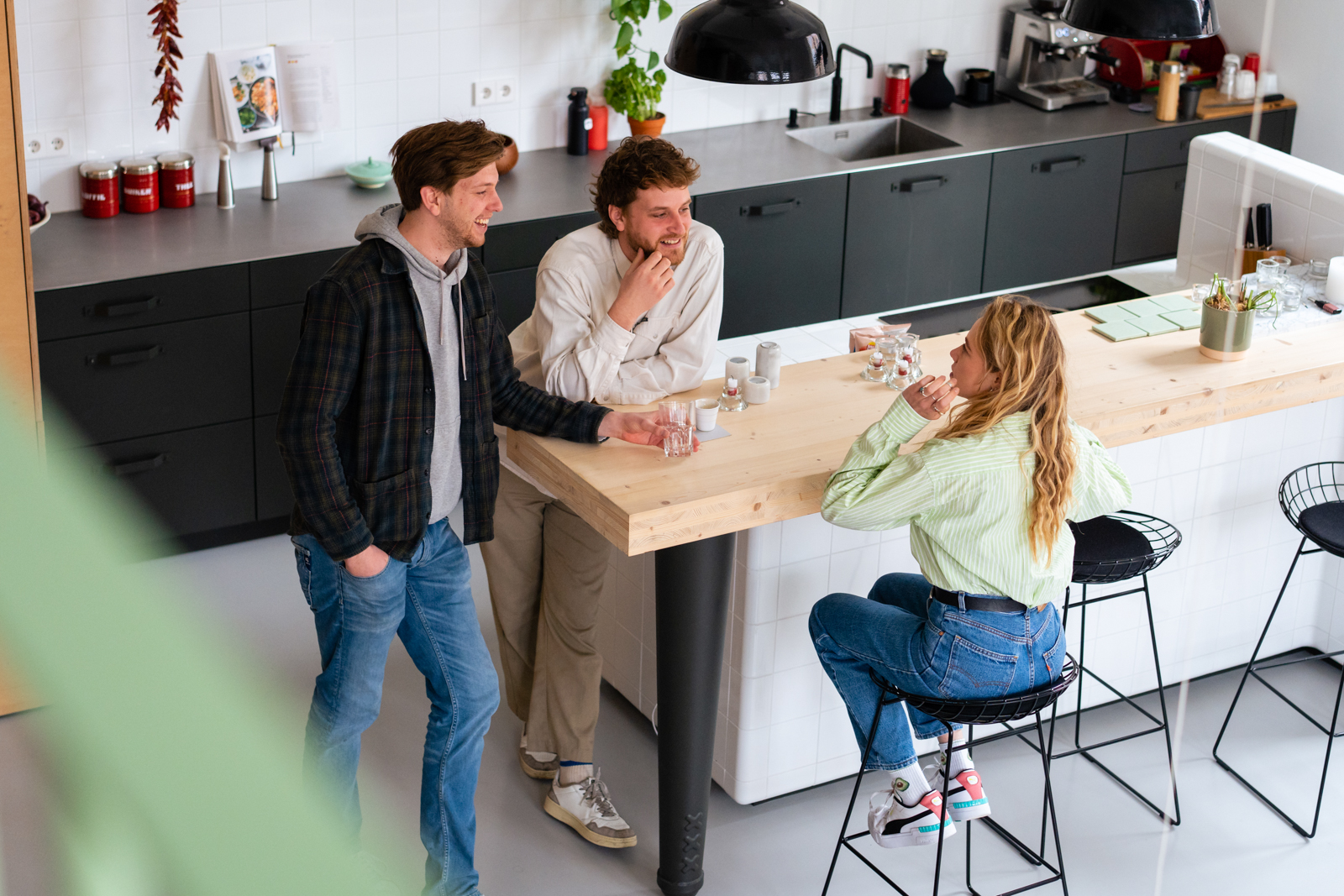
More than just housing, 1828 creates an environment where people can connect, grow and navigate their next steps — making urban living more accessible, social and structured for a new generation.
1828 is a coliving concept for young people aged 18–28, designed as a launchpad into independent living. It combines private spaces, shared facilities and a built-in community to support residents in the early stages of their adult lives.
As 1828 expands across locations, it requires a structured digital system to manage interest, registrations and communication in a consistent and scalable way.
A clear system was needed to capture and organize interest from potential residents, while supporting location-specific registrations and future demand.
Applications and registrations needed to be automatically stored and structured, allowing the team to easily manage data and support operational workflows.
Communication needed to adapt to different stages of the resident journey, ensuring stakeholders receive relevant information aligned with their roles and responsibilities.
The platform needed to support easy updates, allowing the team to present locations and share updates as new contents are introduced.
A unified set of templates and reusable elements was needed to ensure consistent communication and enable the team to create content efficiently across channels.

Designing a connected digital infrastructure for 1828 required aligning multiple tools and workflows into a single, scalable system. Ensuring reliability, flexibility and clarity across platforms introduced several key challenges.
Ensuring seamless data flow between the website, forms, marketing tools and internal data storage required carefully designed automation workflows and reliable integrations.
The platform needed to support different stages of locations - from planned to live - each with its own user journey and page structure. This required designing a flexible system where locations could transition from informational pages to active registration flows.
The system needed to support two parallel user flows: exploring live location and registering to it, discovering upcoming locations and joining a waiting list. Each flow required different handling of data, while ensuring that submissions are correctly routed, stored and synchronized across communication tools and internal data systems.
The platform needed a content structure that supports key location elements while remaining flexible for different stages.
The brand needed to be translated into system that the team could use independently, ensuring consistent communication while supporting different types of content and use cases.
To support 1828’s growth, we designed and implemented a modular digital infrastructure that connects website, data flows, communication and content into one cohesive system.

We implemented automation workflows that connect the website, forms, communication tools and internal data storage, ensuring that all submissions are automatically processed and synchronised across platforms.

We structured the platform to support different stages of locations - from planned to live - allowing each to follow its own user journey while maintaining a consistent page structure and scalable setup.
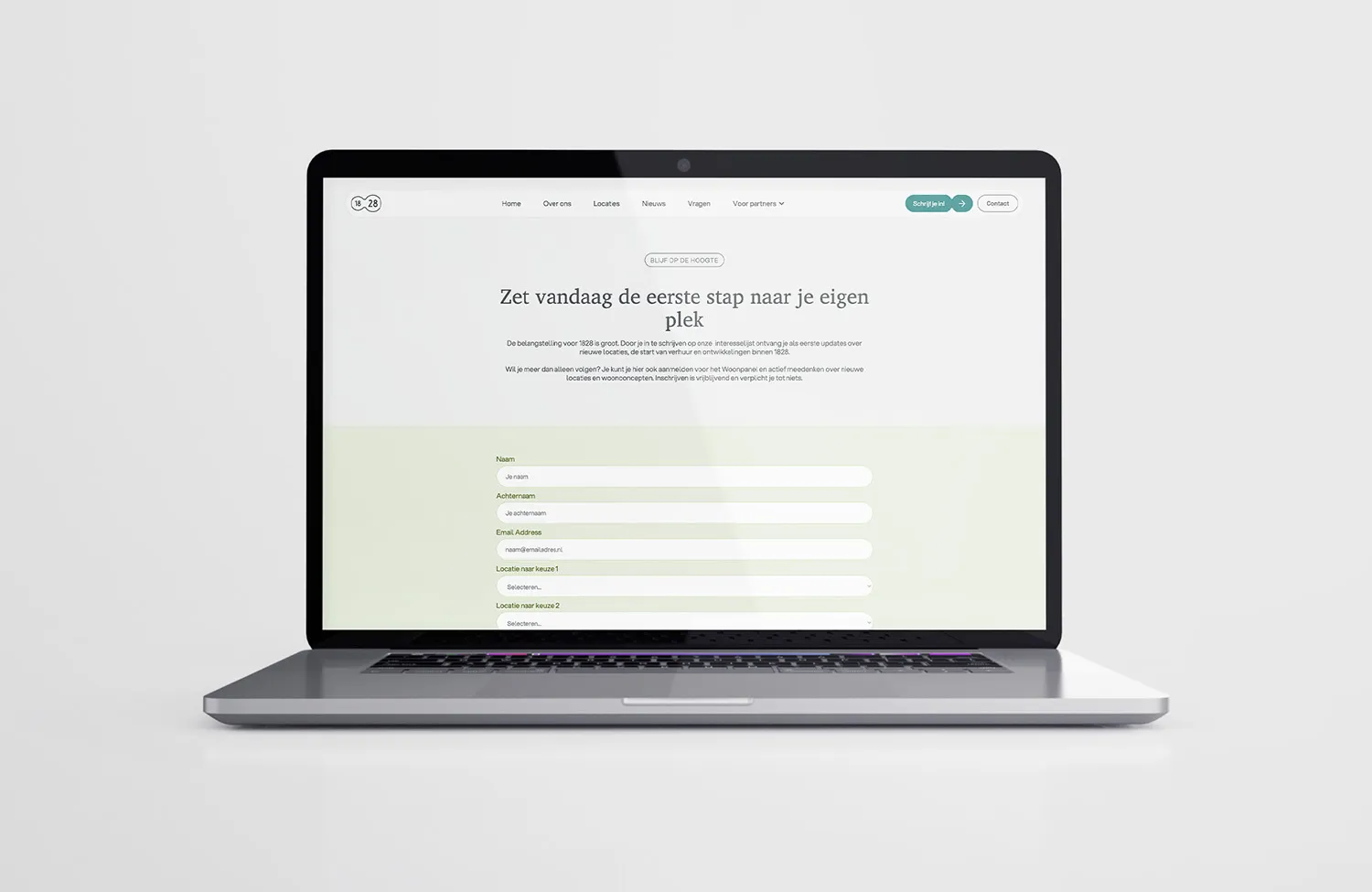
We designed two clear user flows: registration for live location and interest lists for upcoming ones. Each flow is supported by dedicated data handling, ensuring submissions are correctly routed, stored and segmented.

We implemented a focused CMS setup to manage key location content and reusable elements, enabling the team to efficiently update pages while supporting different location stages.
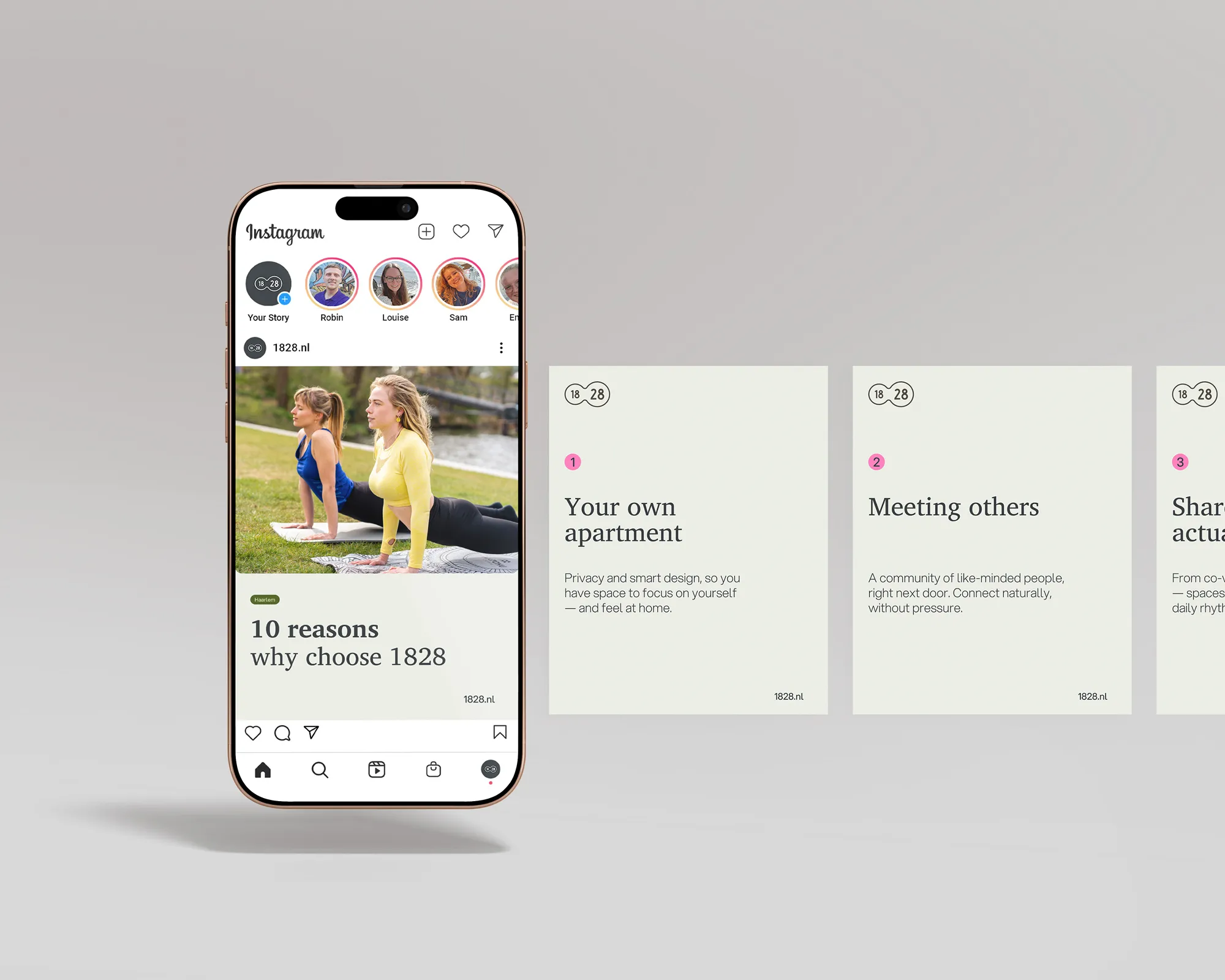
We translated the brand into a system of reusable templates and components, allowing the team to create consistent communication materials independently while maintaining visual coherence.
The platform architecture is designed around how users interact with 1828 across different stages of locations. Clear pathways guide users either towards registering for available locations or expressing interest in upcoming ones, ensuring a simple and intuitive experience.
We structured the system to support two primary journeys — active registration and future interest — while keeping content, data collection and communication aligned across the platform.
→ Serves as the main platform for the public website
→ Handles location pages, user flows and registration entry points
→ Provides a flexible structure for managing content and scaling new locations
→ Stores registration data from live locations
→ Acts as a lightweight database for managing applicants
→ Connects website forms with communication and databse tools
→ Automates data routing between platforms
→ Ensures consistent and reliable data synchronisation
→ Manages interest lists and audience segmentation
→ Handles registration-related communication
→ Supports automated responses and email templates
→ Provides a modular set of templates for communication and marketing
→ Enables the team to create consistent content independently
→ Maintains visual coherence across different channels and use cases
→ Serves as the main platform for the public website
→ Handles location pages, user flows and registration entry points
→ Provides a flexible structure for managing content and scaling new locations
→ Stores registration data from live locations
→ Acts as a lightweight database for managing applicants
→ Connects Webflow forms with Mailchimp and Google Sheets
→ Automates data routing between platforms
→ Ensures consistent and reliable data synchronisation
→ Manages interest lists and audience segmentation
→ Handles registration-related communication
→ Supports automated responses and email templates
→ Provides a modular set of templates for communication and marketing
→ Enables the team to create consistent content independently
→ Maintains visual coherence across different channels and use cases
While Digital Estate focused on building the digital infrastructure, Spatial Experience was responsible for translating the 1828 concept into a tangible brand and spatial identity.
The development of 1828 was a result of close collaboration between Digital Estate and Spatial Experience - combining digital systems with brand design into one cohesive concept.

Spatial Experience defined the strategic foundation of the 1828 brand — shaping its positioning, narrative, and messaging framework. The concept was built around the idea of 1828 as a “platform for becoming” — an essential launchpad supporting young adults in their transition into independent life.
This foundation established a clear and consistent direction for everything that followed, from brand identity to communication and digital execution.

The collaboration focused on ensuring that the brand is not only communicated, but experienced through digital touchpoints.
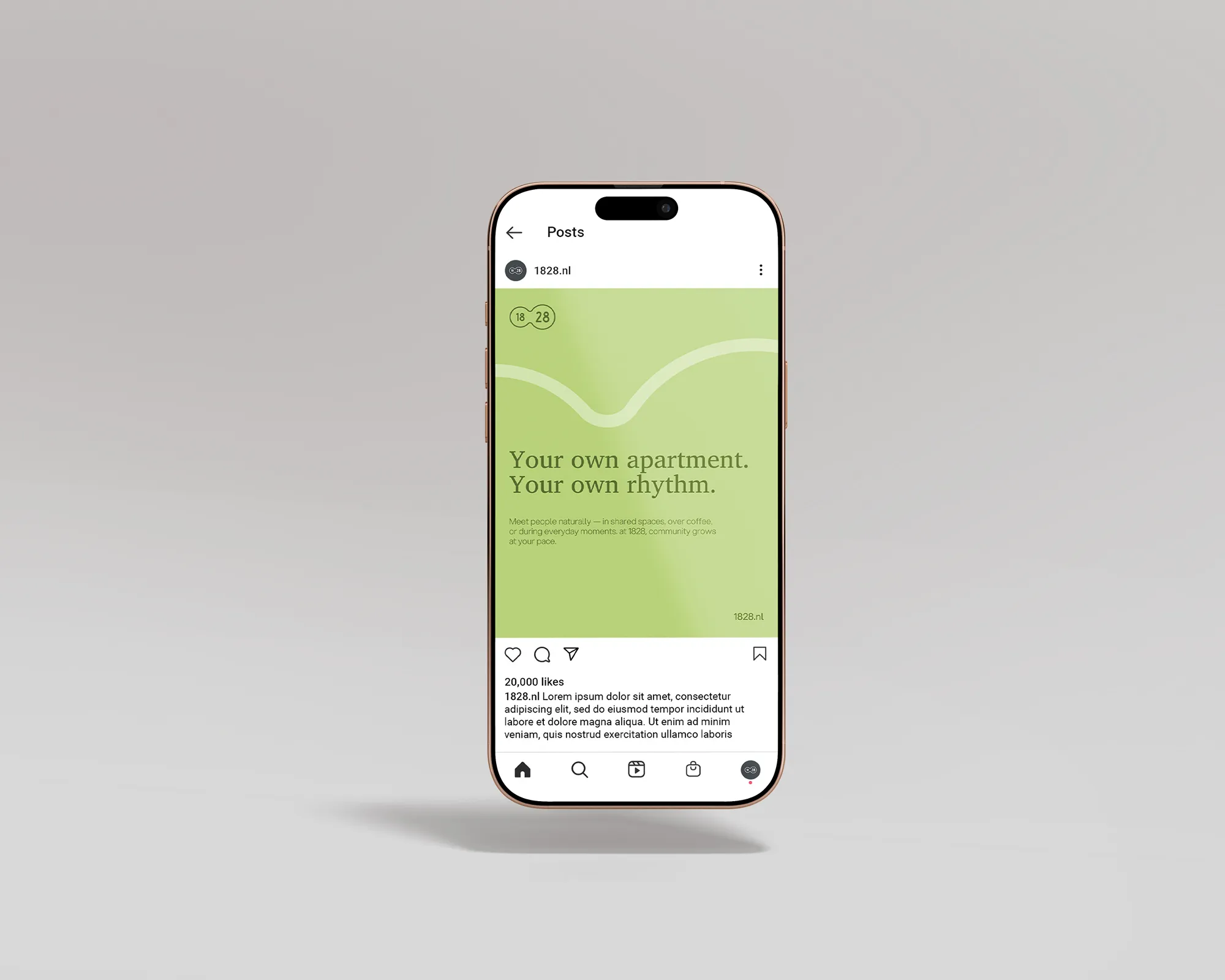
The brand was designed as a system — ensuring consistency across all applications while remaining flexible enough to scale. Visual identity, messaging, and experience principles were structured in a way that allows the brand to appear cohesive across digital platforms, physical spaces, and future developments.







Building the digital infrastructure for 1828 highlighted the importance of designing systems that balance simplicity for users with complexity behind the scenes. Combining no-code tools, automation and structured thinking allowed us to create a scalable operational foundation.
Complex operational systems can be effectively built using no-code tools when combined with strong architecture and clear logic, enabling faster development and easier iteration.
Designing around distinct user journeys - such as registration and interest flows - is essential for creating intuitive experiences and ensuring data is captured and processed correctly.
Building with independent but connected tools allows the system to evolve over time, supporting new locations, changing requirements and future expansion.
Automating how data is collected, routed and stored reduces manual work, increases reliability and creates a foundation for better decision-making.
Providing structured tools - from CMS to to templates - enables internal teams to operate independently while maintaining consistency across the brand and communication.